

The unfolding confirmation-of-charges hearing against former President Rodrigo Duterte at the International Criminal Court (ICC) at The Hague rests on a fundamental premise: that the investigation conducted by the ICC prosecutors was impartial, independent, and insulated from political manipulation and engineering.
However, the detailed testimony of 18 former ex-Marines yesterday (February 24, 2026) in a press conference, if subjected to rigorous evidentiary scrutiny, raises grave questions about whether that premise holds. At the core of their joint testimony, based on first-hand experience, is A MONEY TRAIL.
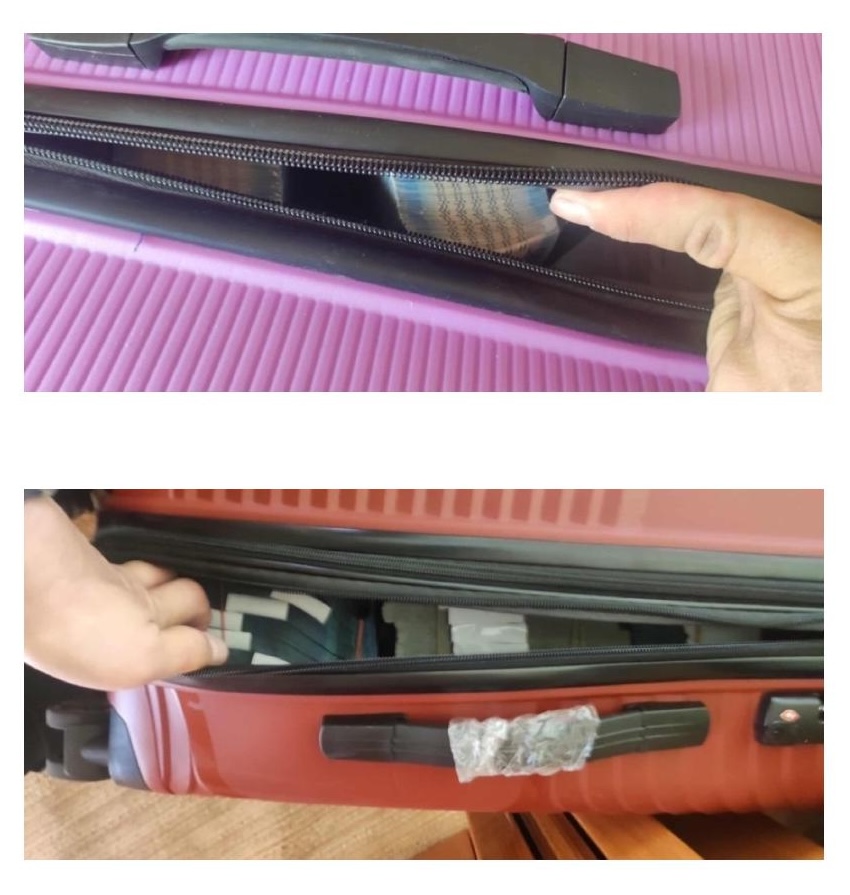
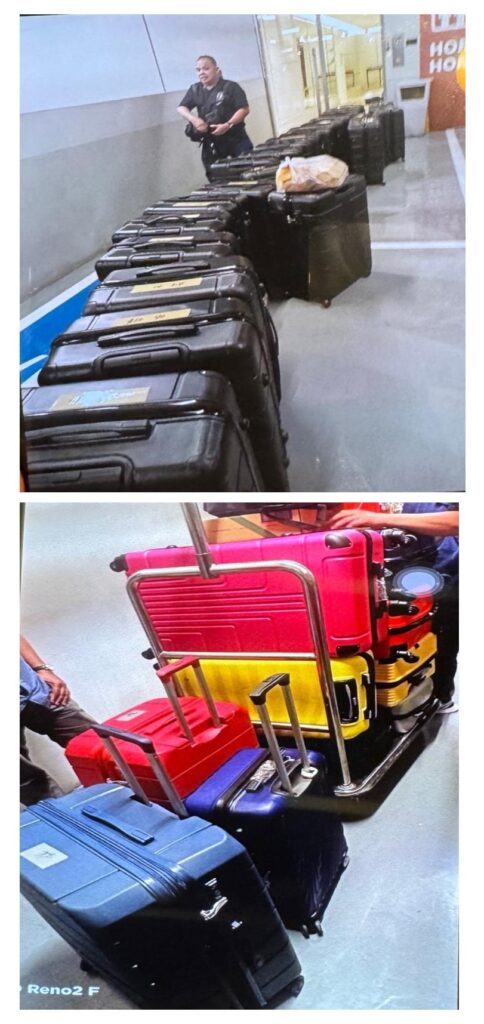
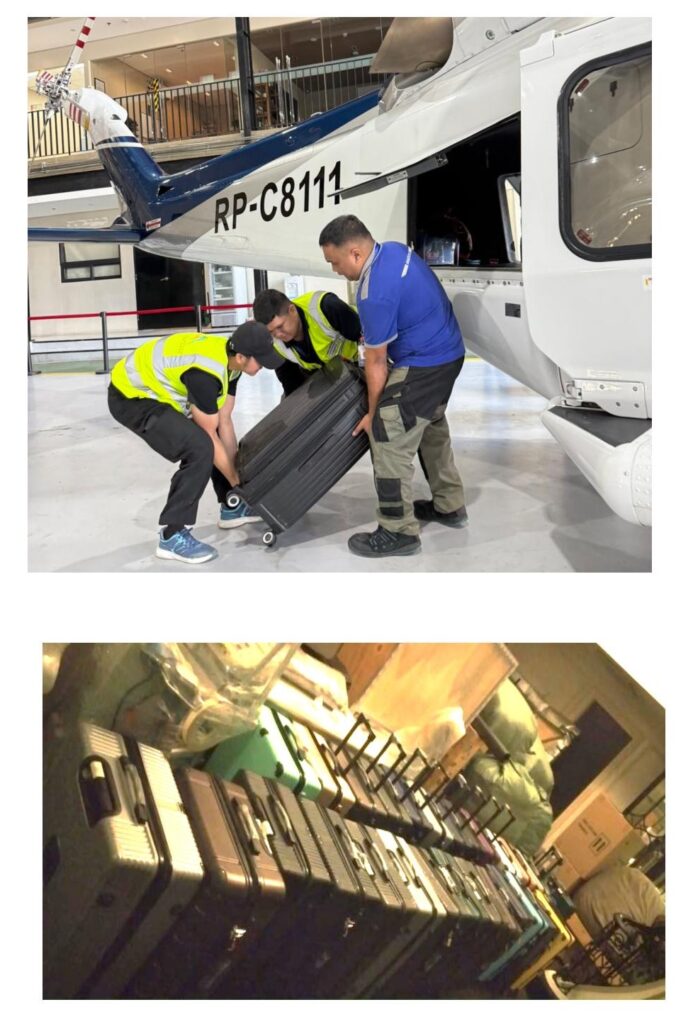
The Alleged Financial Pipeline: According to the joint affidavit and testimony of 18 ex-marines, Mr. Belnard Tube, together with Mark Ticsay and John Paul Estrada, exchanged two suitcases containing ₱56 million each (converted into U.S. dollars) in a building located on Valero Street, Salcedo Village, Makati City, several months before December 2023. Accordingly, Mark and Paul had purchased U.S. dollars in preparation for the arrival of certain “foreigners,” later allegedly identified as ICC-linked personalities, with former Senator Sonny Trillanes allegedlybeing in charge of them.
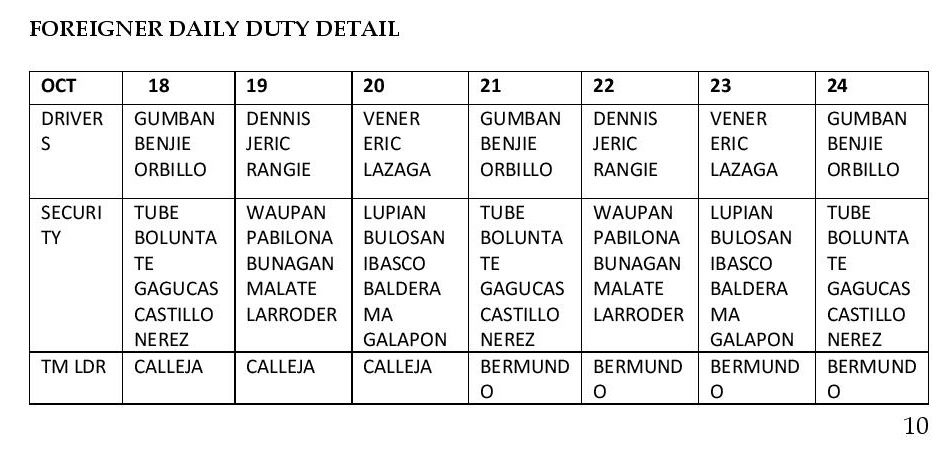
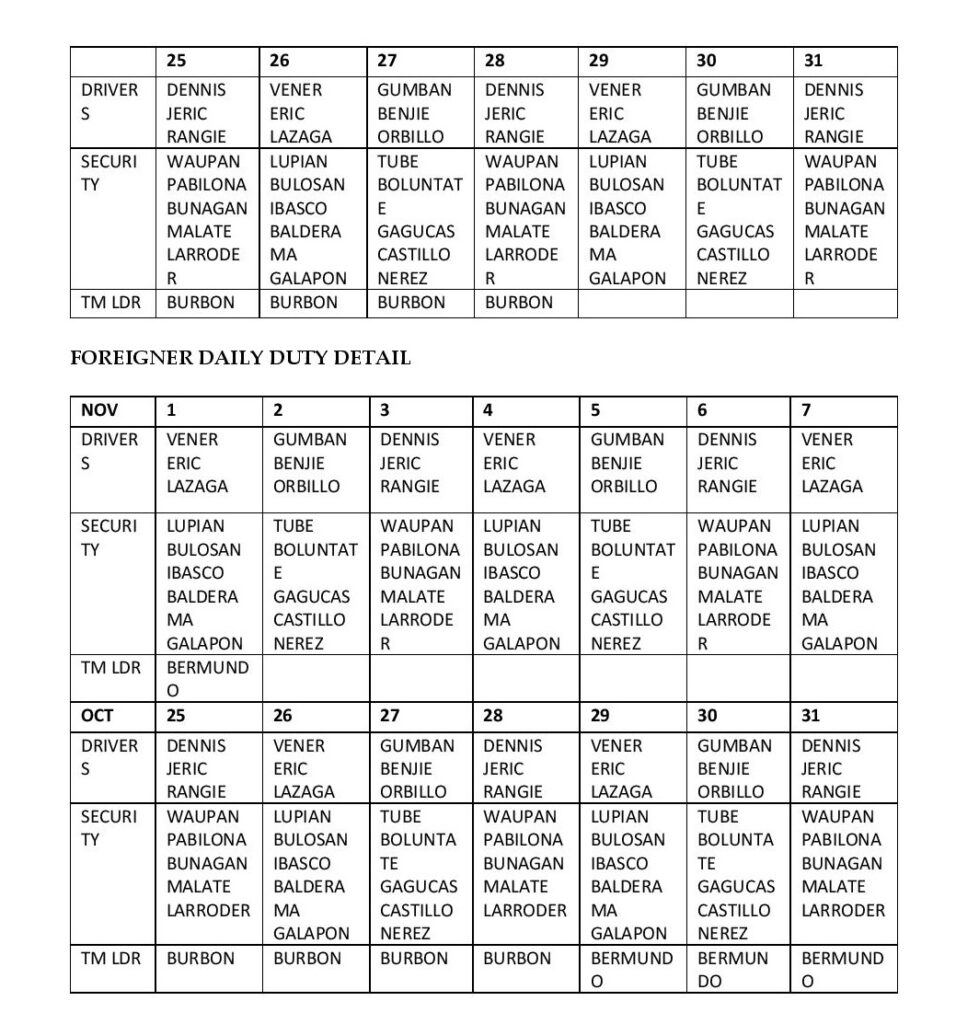
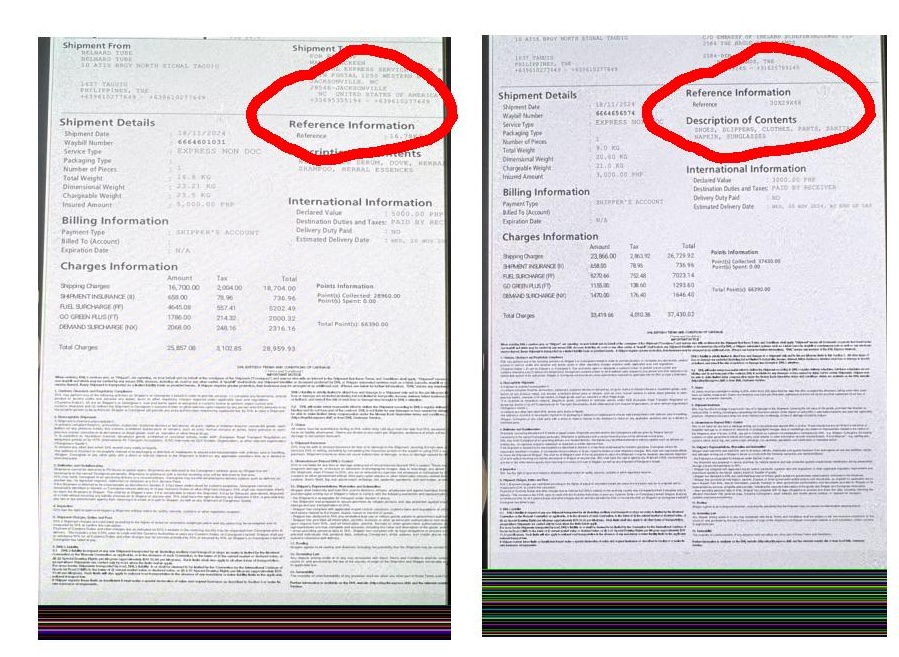
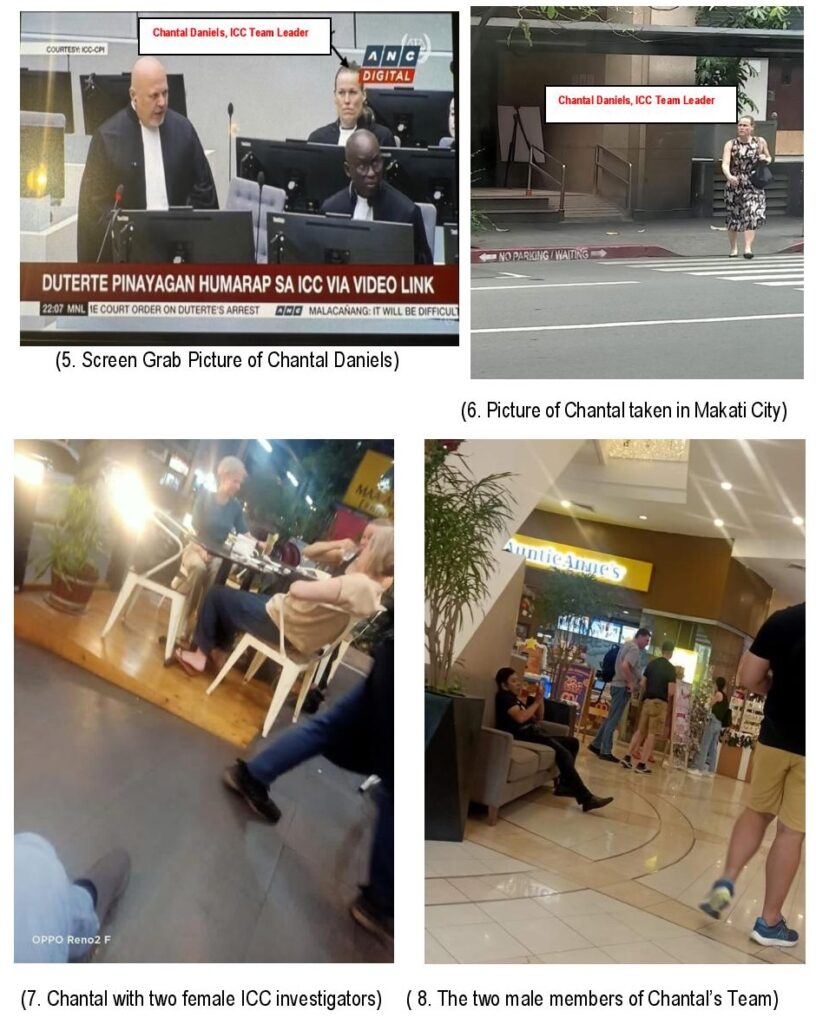
The so-called foreigners allegedly linked to the ICC mentioned in the ex-marine’s joint testimony/affidavit include Glenn Kala and William Rosato and 4 other women, one of whom was Chantal Daniels (see photo below). Hence, the testimony of the ex-marines alleges:
- Alleged multiple cash deliveries in paper bags and suitcases to a former senator, Sonny Trillanes.
- Accommodations allegedly paid for by political actors, such as former Congressman. Zaldy Co
- Repeated closed-door meetings in private residences and exclusive venues with these so-called foreigners, allegedly linked to the ICC of Sonny Trillanes, former Speaker Martin Romualdez, and Zaldy Co. Also, Chantal Daniels and William Rosato allegedly held a meeting at a house in Bel-Air, Makati, which is allegedly the residence of former DOJ Secretary Boying Remulla, now the Ombudsman. Present in that meeting, allegedly, were Trillanes and PGen Nick Torre.
- Coordinated interviews by the so-called foreigners allegedly linked to the ICC were accordingly limited to pre-selected individuals by Trillanes, including PBGen Jerry Protacio, PCol Santiago Jordan, Mayor Jed Mabilog, Kerwin Espinosa, Fr. Flavie Villanueva, PCol Santi Mendoza, PCol Jeffrey Latayada, and PCol Angel Garcillano. These “foreigners” accordingly also visited Bahay Kalinga, run by Fr. Flavie Villanueva, to speak with families of alleged so-called EJK victims, and they went to the National Bilibid Prison in Muntinlupa to speak with former police officers allegedly involved in the killing of Kian Delos Santos.
If proven accurate, these details do not merely suggest logistical support. They suggest financial entanglement.
In any judicial proceeding — domestic or international — money connected to witness handling, travel facilitation, or investigative operations triggers immediate concerns about:
- Chain of custody
- Witness contamination
- Conflict of interest
- Prosecutorial independence
The ICC’s legitimacy hinges on neutrality. Once funding and facilitation appear tied to political actors with direct interests in the outcome, the integrity of the investigative record becomes vulnerable to challenge.
Note that the so-called ICC personnel were allegedly operating after the Philippines withdrew from the Rome Statute, facilitated by political actors and private individuals rather than through formal state channels. This raises three constitutional and geopolitical questions:
- Was this a de facto extraterritorial law enforcement activity without state consent?
- Did such operations violate Philippine sovereignty?
- Did they contradict Marcos Jr.’s prior assurances that the Philippines would not assist ICC investigations? Or was Marcos Jr lying from the very beginning? Note that President Marcos Jr. previously indicated that the Philippines would not cooperate with the ICC investigation.
On the issues of Witness Credibility and Financial Influence, perhaps the most consequential allegation in the ex-marines’ testimony is NOT just the presence of ICC personalities, but the alleged handling of witnesses.The account suggests that interviews were limited to:
- Individuals pre-contacted by a political intermediary/actor, such as Trillanes.
- Meetings held in private hotels and residences.
- Structured coordination with specific political figures.
In any criminal proceeding, including ICC confirmation hearings, judges are obligated to assess:
- Whether witnesses were coached.
- Whether financial inducements influenced testimony.
- Whether investigatory pathways were selectively curated.
If money is demonstrably linked to witness-gathering or case-building efforts, the credibility of testimonial evidence becomes LEGALLY FRAGILE!
International criminal jurisprudence has consistently emphasized that even the appearance of impropriety can undermine admissibility.
What are the implications for the ongoing confirmation of charges at the ICC against former President Duterte?
At the confirmation stage, ICC judges do not determine guilt. They assess whether there are “substantial grounds to believe” the accused committed the crimes charged. However, judges also possess the authority to:
- Exclude improperly obtained evidence.
- Scrutinized to some extent the credibility and integrity of the so-called witnesses
- Order disclosure of funding arrangements.
- Scrutinize prosecutorial conduct and investigations
- Demand clarity on third-party involvement.
If credible allegations emerge that investigative groundwork was financed or coordinated by politically interested actors, judges must confront a difficult question:
Was the evidentiary foundation of the prosecution independently built, or politically engineered and motivated?
Failure to rigorously examine such claims risks:
- Eroding the ICC’s institutional credibility.
- Reinforcing perceptions of selective justice.
- Strengthening claims of political prosecution.
What’s the Broader Sovereignty Debate? This case now transcends former President Rodrigo Duterte.It touches on:
- The limits of international jurisdiction after withdrawal.
- The role of domestic political actors in transnational prosecutions.
- The fine line between human rights accountability and geopolitical contestation.
For many observers, the optics alone are combustible:
- A former head of state.
- A country no longer party to the Rome Statute.
- Allegations of foreign investigators operating through political intermediaries.
- Money allegedly changed hands during the investigative phases.
Hence, such allegations require a transparent, impartial, and thorough investigation.
In light of these developments, judicial prudence requires the ICC judges presiding on the ongoing confirmation hearing to instruct:
- Full financial disclosure of funding and logistical arrangements connected to investigative activities in the Philippines by the ICC prosecutors and their team.
- Independent verification of witness sourcing procedures.
- Assessment of potential political interference.
- Heightened scrutiny of testimonial reliability where financial transfers are alleged.
International criminal justice cannot afford procedural shadows. If the investigation is clean, transparency will vindicate it. If it is compromised, proceeding without correction risks institutional damage far beyond this single case.
Now, the Central Question is, if money influenced the investigative pipeline, if political actors curated witness pools, and if operations occurred in a jurisdiction that formally withdrew from the Court, then the issue is no longer merely legal.
It becomes constitutional.
It becomes geopolitical.
It becomes a test of international judicial credibility.
The ongoing confirmation hearing at The Hague is therefore not just about Duterte. It is about whether international justice can withstand allegations of political financing, engineering, and manipulation, selective sourcing, and sovereign tension, and still claim neutrality.