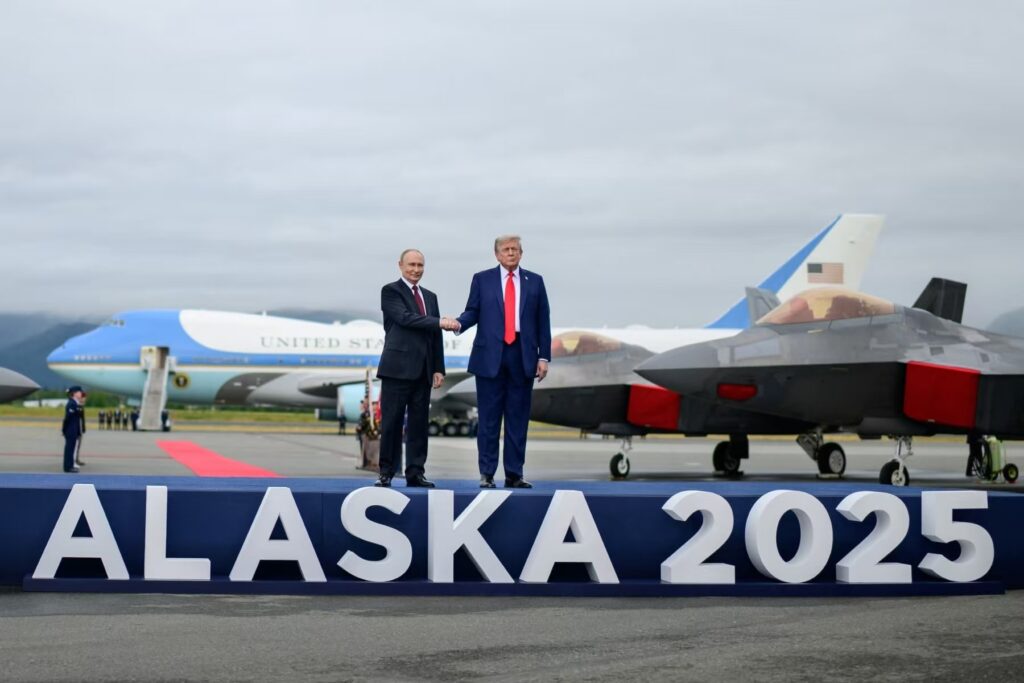

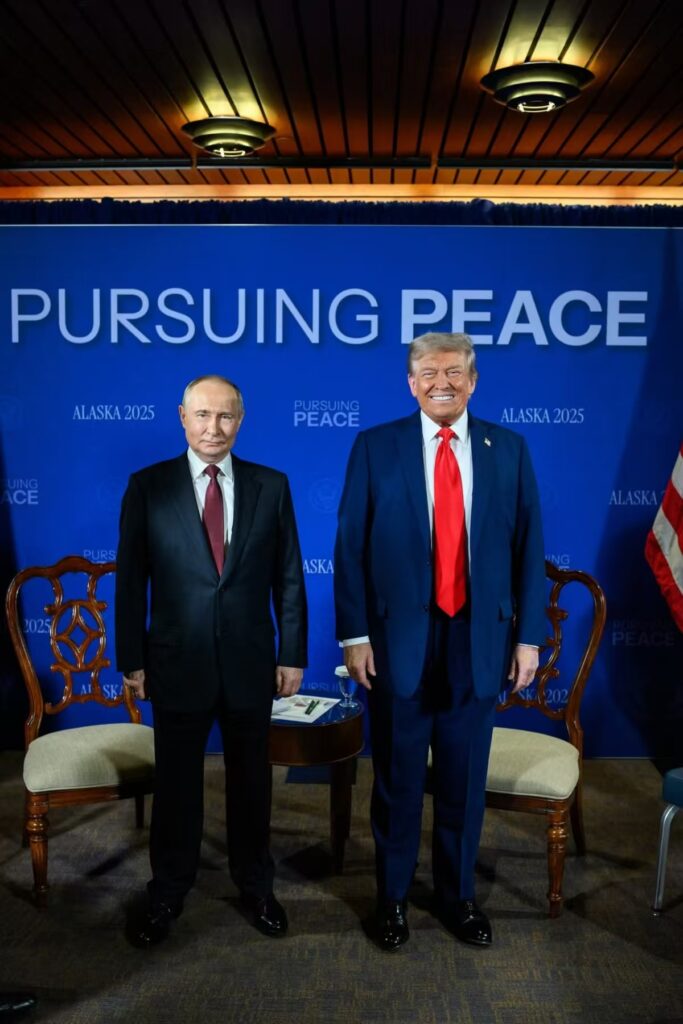
Donald Trump and Vladimir Putin met on August 15 at Joint Base Elmendorf–Richardson in Anchorage, Alaska, the first time a Russian leader has been invited for talks on U.S. soil since 2007. That alone matters. Direct leader-to-leader channels reduce the risk of miscalculation in the world’s most dangerous conflict. When the two principals talk, they can cut through bureaucratic inertia and mutual suspicion. Anchorage effectively reinstalled a crisis hotline at the top.
Yes, on the surface, the summit delivered little: no ceasefire in Ukraine, no roadmap for peace, and no substantive agreements. But in diplomacy, optics and process often matter as much as outcomes. By that measure, the Anchorage meeting was a win, not for either leader personally, but for diplomacy itself.
Critics argue the summit handed Moscow time and narrative space, with nothing concrete in return. That’s true. But diplomacy’s value is less about instant deals than creating the scaffolding for them. That’s why follow-through matters more than photo-ops. Diplomacy’s value is not in instant results but in the guardrails, calendars, and negotiating hooks it creates. Anchorage didn’t deliver peace—it restored process. And in diplomacy, process is power.
Why Does It Matter Beyond Europe?
For Asia—and even Manila—the implications are worth watching. For Southeast Asia, including Manila, the optics matter: a diplomacy-first narrative in Ukraine bolsters the argument that maritime disputes and gray-zone frictions should be managed through diplomacy and peaceful negotiation, not unilateral “faits accomplis” or a belligerent and confrontational approach to a maritime dispute.
The Real Test:
Moreover, the real test of Anchorage is whether Washington can transform one symbolic meeting into a structured sequence of talks that preserves Ukraine’s agency and keeps allies aligned.
In the end, the Trump–Putin meeting showed that deterrence and dialogue are not opposites. They are twin pillars of statecraft. Yes, Anchorage didn’t deliver peace yet, but it reminded the world that wars end at negotiating tables, not just on battlefields. That reminder alone makes it a win for diplomacy.
Most importantly, the Putin-Trump meeting proved that even in war, diplomacy is never dead. The question is whether leaders have the discipline to keep it alive.