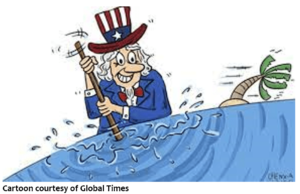

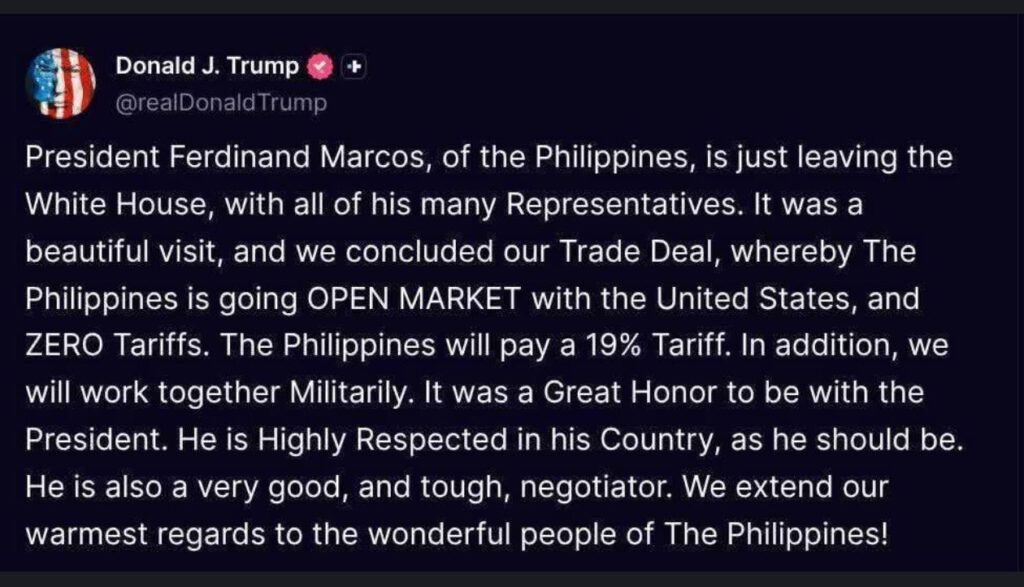
On a more sober note.. the so-called Philippines–U.S. “trade deal” is nothing short of a textbook example of economic capitulation. A measly 1% tariff reduction, from 20% to 19%, was granted in exchange for zero tariffs on U.S. goods, effectively surrendering the Philippines’ MFN (Most Favored Nation) leverage, a vital bargaining chip for any developing economy navigating the global trade system.
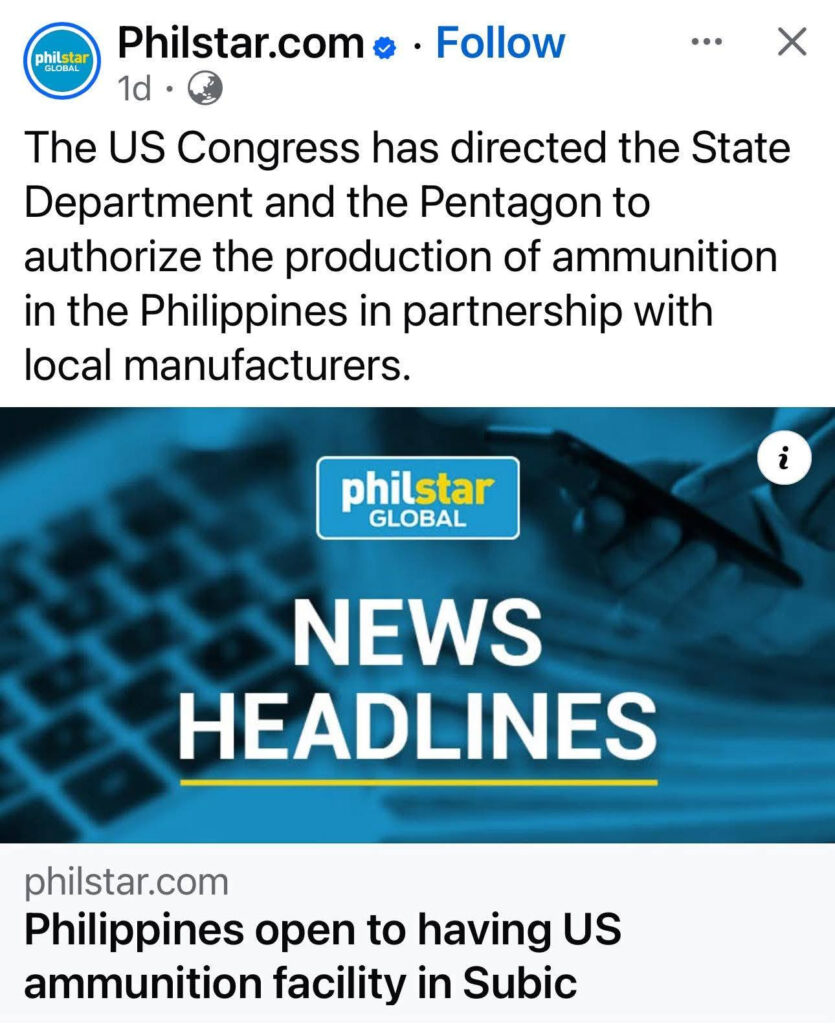
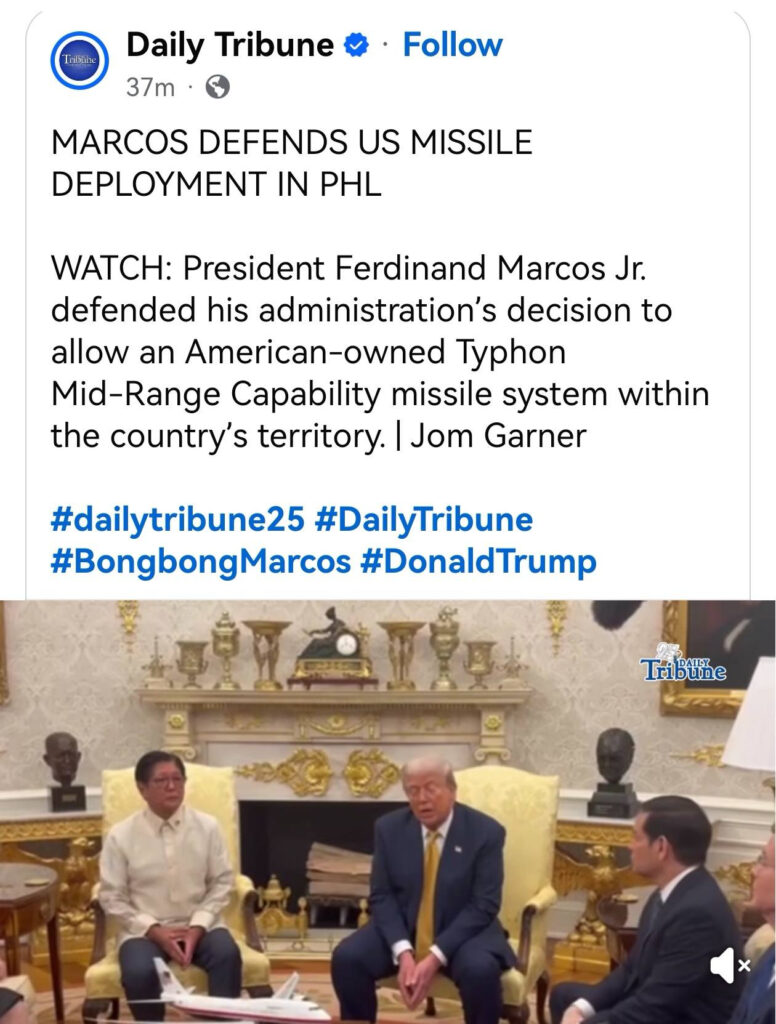
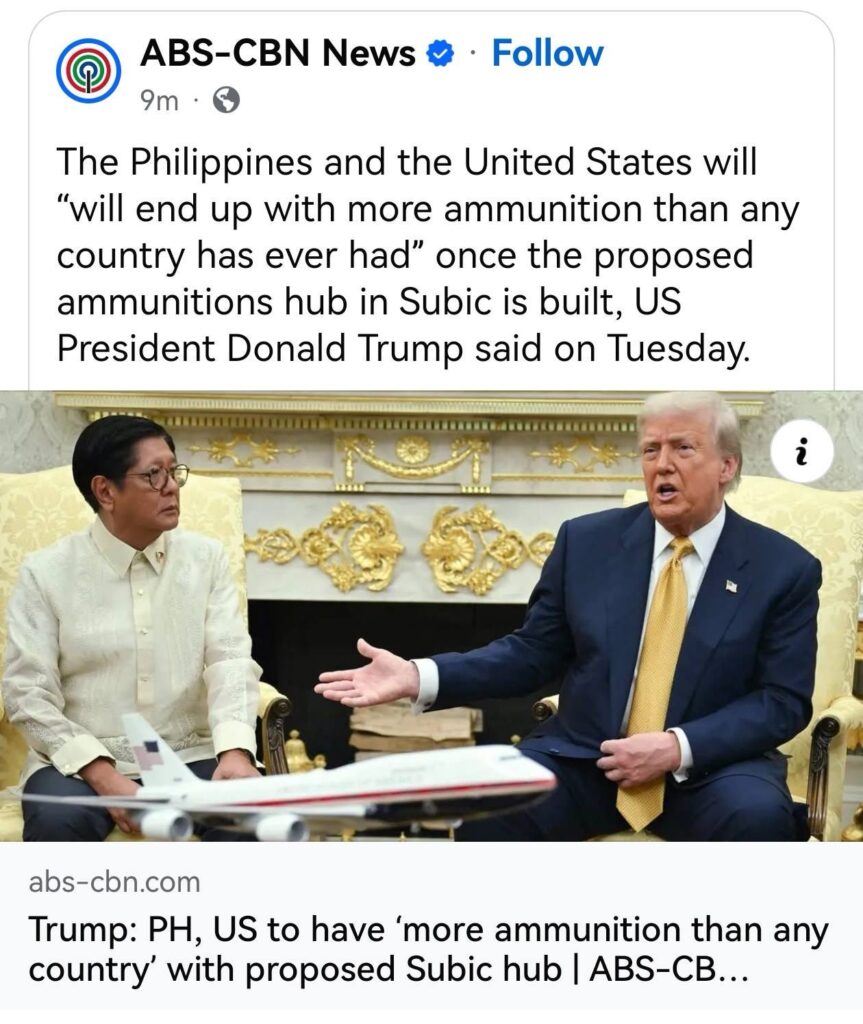
This is not a “reciprocal” agreement; it’s a strategic giveaway. Worse, this lopsided trade concession isn’t even the full picture. We haven’t begun to account for the military and defense concessions quietly embedded in the broader framework, agreements that effectively turn Philippine territory into a forward operating platform for U.S. geopolitical interests in Asia.
What we’re witnessing is not diplomacy or a trade deal, it’s neo-colonialism draped in the language of partnership, neo-extractivism disguised as investment, and neo-imperialism paraded as “ironclad alliance.”
For a developing nation to trade away both its economic leverage and sovereign space under the guise of strategic cooperation is not only unwise, but also a betrayal of national interest.
Domestic-Focused Economy?:
Some people argue that the Philippines is more of a “domestic-focused economy. Yes, the Philippine economy is primarily consumption-driven, with approximately over 70% of GDP reliant on domestic demand. But that does not insulate us from the effects of a skewed trade agreement, especially when we are trying to diversify our export base and climb global value chains.
We rely on exports of raw materials (such as minerals) and semi-processed goods, many of which can now be extracted under new, U.S.-favored trade deal terms with little value added locally. Our agriculture and manufacturing sectors are highly vulnerable to import surges. So, even if, let’s say for the sake of argument that exports don’t dominate GDP, trade policy can profoundly affect our development trajectory, especially if it limits our future industrial or technological upgrading.
Can a 19% Tariff still Impact GDP Significantly?
Of course! On its face, a 1% tariff reduction (from 20% to 19%) sounds minor. But that headline number masks asymmetry in the deal. The U.S. gets zero tariff access, while the Philippines only gets a token reduction.
Again, we sacrificed our Most Favored Nation (MFN) leverage, which is a diplomatic tool for negotiating trade deals with other countries. This is not a good precedent for the Philippines, particularly in reference to its future trade deals with other countries.
The removal of tariffs on high-value U.S. exports (such as agriculture, automotive, and AI technology) without protecting vulnerable local industries will widen trade deficits, not reduce them. So, while the immediate GDP impact might seem modest, the structural damage to our strategic sectors can be long-lasting and regressive.
“Is it a Fair Deal given that we are a U.S. Ally?”
Frankly, NO. Being a U.S. “ally” appears to mean giving more than we receive. Let’s compare. Vietnam secured substantial U.S. tariff reductions without compromising its sovereignty or hosting U.S. bases. Indonesia secured trade benefits while retaining military autonomy. The Philippines? We gave tariff and potentially mineral concessions, as well as access to critical sectors (6As: agriculture, automotive, AI, advanced manufacturing, alternative energy, and assured access to minerals), and even more military basing rights under EDCA expansions.
In return for what? A measly 1% tariff drop and an ironclad “promise” of partnership. This reeks of neo-imperial favoritism, not mutual respect.
“How Would Duty-free Access Affect Our Industries?”
It’s a double-edged sword, but for us, it’s mostly the blade. On agriculture, smallholder farmers will suffer from cheap subsidized U.S. agricultural imports. In manufacturing, local SMEs (small and Medium Enterprises) in automotive parts, electronics, and garments could be wiped out by U.S. companies flooding the market with more competitive goods. Concerning innovation and technology, duty-free access to U.S. advanced technology without technology transfer clauses ensures we remain dependent, not empowered. In summary, it undermines industrialization, trapping us in low-value labor and extractive roles within global supply chains.
So yes, this deal is neither fair nor strategic. It reflects geopolitical subservience, not partnership. Instead of negotiating as an equal ally, we acted like a client state, surrendering economic tools and sovereign rights for crumbs on the diplomatic table. If we’re not careful, this isn’t just bad economics, it’s a death sentence for national development.
Folks, as painful as it may seem, but the truth and the hard reality is, “We didn’t get a deal. We got dictated to. Ouch!
#ProPhilippines
#SovereigntyMatters
#PHUSDeal
#NeoColonialism2025
#GisingPilipinas