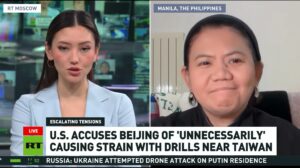

My SMNI Nightline News interview last night unpacked how the Xi–Trump meeting in the APEC Summit resets great-power atmospherics, why Manila must avoid over-alignment, and how domestic governance—not slogans—determines whether the Philippines can attract tourists, investors, and long-term economic-development partners. Here are my takeaways (salient points) of the interview:
1. US–China Thaw: Welcome, but Cyclical: The Xi–Trump encounter signals a turn toward managed competition. That’s good for global markets and regional risk, but it’s a weather report, not a complete or total shift in climate.
2. Strategic autonomy isn’t fence-sitting—it’s statecraft: With superpowers periodically recalibrating to suit their interests, a small country like the PH needs optionality to maneuver, meaning diversified security ties, diversified trade and finance, and issue-by-issue cooperation. Over-reliance on any patron shrinks policy space exactly when you need it most.
3. Tourism and investment require a de-escalation vocabulary: If senior defense officials of the Marcos Jr. administration routinely paint ordinary Chinese nationals as allegedly presumptive spies and engaging in espionage, don’t expect Chinese families or business delegations to queue for Philippine visas. Security vetting can be firm and professional, without megaphone theatrics that kneecap our own services sector, such as the tourism industry.
4. Corruption is a macro risk, not a moral footnote: The scandal cascade undercuts creditworthiness, pushes up risk premia, and scares off FDI that could bring technology, jobs, and more economic activities for the country. The fix isn’t budget haircuts to social services, it’s visible prosecutions, asset recovery, and contract sanctity that survives changes in leadership and mood.
5. Taiwan Strait: de-risk, don’t drift: The Philippines should avoid becoming a forward staging ground for scenarios it neither controls nor benefits from. Priority: hardening home defenses, protecting critical infrastructure, and keeping channels open with all sides to avoid sleepwalking into someone else’s crisis or game plan or military adventurism.
6. South China Sea: manage the dispute, insulate it from the great-power rivalry and competition among superpowers: Keep maritime incidents on a crisis-management track (hotlines, incident-at-sea protocols, targeted and disciplined transparency) while ring-fencing trade, tourism, and investment. Pair quiet operational deterrence with minilateral practicals—fisheries management and EEZ coordination with Vietnam, Malaysia, and Indonesia, and even by extension with China, since it is a claimant state in the SCS dispute.
Source: Nightline News (Facebook Page)
https://www.facebook.com/nightlinenews/videos/836190148794662